

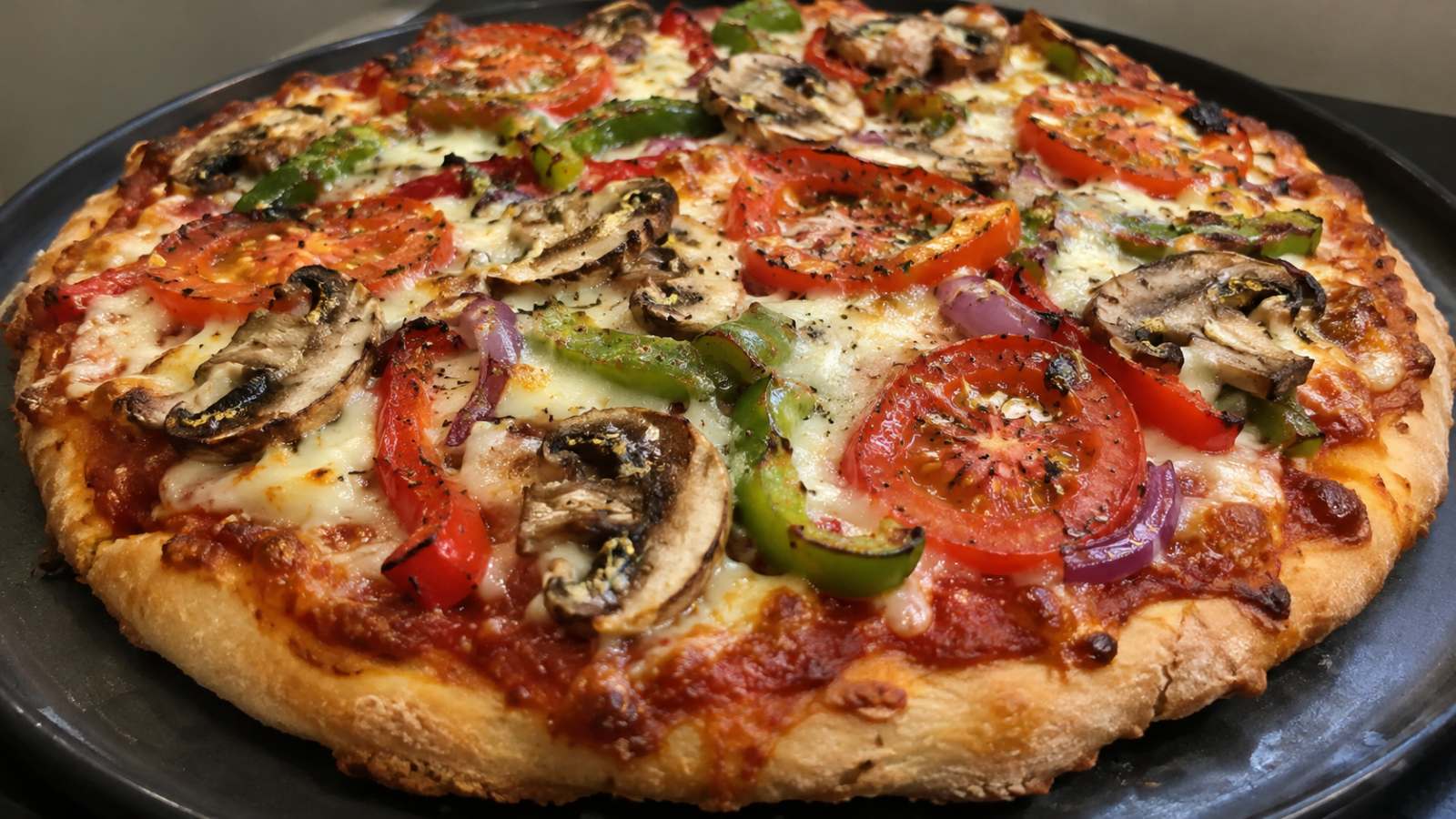
Scone-based pizza has a soft, buttery crust made with self-raising flour instead of traditional yeast dough. For an easy homemade version, Delia Smith Scone Based Pizza Recipe combines a tender, golden base with tomato sauce, melted cheese, and simple vegetable toppings.
Ingredients
This recipe makes one medium pizza, enough for 2–4 people.
For the Scone Base:
200g self-raising flour
40g cold butter
110ml milk
¼ teaspoon salt
½ teaspoon dried mixed herbs (optional)
Extra flour for dusting
For the Tomato Sauce:
100g tomato passata
1 garlic clove, crushed
1 teaspoon olive oil
½ teaspoon dried oregano
Salt and black pepper to taste
For the Toppings:
100g mozzarella cheese, grated
1 small tomato, thinly sliced
3 mushrooms, sliced
½ red bell pepper, thinly sliced
½ small red onion, thinly sliced
Fresh basil leaves (optional)
You can change the vegetables according to what you have at home. Just keep the toppings fairly light because a scone base is softer than ordinary pizza dough and can become soggy under too much sauce or cheese.
How to Make Delia Smith Scone Based Pizza
Step 1: Make the Scone Dough
Preheat your oven to 200°C (180°C fan), or Gas Mark 6. Line a large baking tray with baking parchment.
Place the self-raising flour in a mixing bowl and stir in the salt and dried herbs. Add the cold butter, cut into small pieces, and rub it into the flour with your fingertips until the mixture looks like fine breadcrumbs.
Pour in most of the milk and mix gently with a knife or wooden spoon. Add the remaining milk gradually until you have a soft dough that holds together without being excessively sticky.
Transfer the dough to a lightly floured surface. Press it into a circle approximately 25cm across and 1cm thick, then carefully place it on the prepared baking tray.
Don’t knead the dough like bread dough. Too much handling can make the crust firm and chewy instead of soft and tender.
Step 2: Add the Sauce and Toppings
Mix the tomato passata, crushed garlic, olive oil, oregano, salt, and black pepper in a small bowl.
Spread the sauce evenly across the dough, leaving a border of about 1–2cm around the edge. Keep the sauce layer thin so the base cooks properly.
Scatter half the mozzarella over the tomato sauce. Arrange the sliced tomato, mushrooms, pepper, and red onion across the pizza, then finish with the remaining cheese.
I prefer using just a few toppings on this type of pizza. You get a better balance between the buttery crust, tomato flavour, and melted cheese without making the centre too heavy.
Step 3: Bake the Pizza
Place the pizza on the middle shelf of the preheated oven and bake for 20–25 minutes.
Check the crust near the end of cooking. The edges should be golden brown, the cheese melted, and the underside firm enough to lift with a spatula. If the centre still looks pale or doughy, leave it in the oven for another few minutes.
Remove the pizza and let it rest for 3 minutes before slicing. Add fresh basil leaves if you like, then serve while warm.
The finished crust should be lightly crisp around the edges with a soft, slightly crumbly centre.
What to Serve With Delia Smith Scone Based Pizza
Green Salad: A simple salad with lettuce, cucumber, and cherry tomatoes goes nicely with the buttery crust. Dress it with olive oil and a little lemon juice for a fresh flavour.
Homemade Coleslaw: Shredded cabbage, carrots, and a light mayonnaise dressing add crunch. The mild sweetness of the vegetables also goes well with the tomato sauce.
Roasted Vegetables: Courgettes, aubergines, and peppers roasted with olive oil and black pepper make a good side dish, especially if you’re serving the pizza for dinner.
Tomato and Cucumber Salad: Combine sliced tomatoes, cucumber, red onion, and fresh parsley. A little olive oil and lemon juice are enough for the dressing.
Personally, I would serve this pizza with a green salad. The scone crust is already quite filling, so a lighter accompaniment makes more sense than chips or garlic bread.
Delia Smith Scone Based Pizza Nutrition Information
The following nutritional values are approximate and based on dividing the pizza into four equal portions.
Nutrient | Amount Per Serving |
|---|---|
Calories | 360 kcal |
Protein | 12g |
Carbohydrates | 42g |
Total Fat | 16g |
Saturated Fat | 9g |
Fibre | 3g |
Sugar | 5g |
The exact nutritional values depend on the milk, cheese, sauce, and additional toppings used.
Using less mozzarella will reduce the calories and fat. You can also add more peppers, mushrooms, or spinach for extra vegetables without making the pizza much heavier.
FAQs
Can I make scone-based pizza without yeast?
Yes. Scone pizza uses self-raising flour, which already contains raising agents, so there is no need for yeast or rising time. You simply mix the dough, shape it, add the toppings, and bake. That’s one reason I like Delia Smith Scone Based Pizza Recipe for a quick homemade lunch.
Why is my scone pizza base hard?
The most common reason is overworking the dough. Mixing or kneading it too much develops the gluten and makes the crust tougher. Adding excessive flour or leaving the pizza in the oven too long can also dry it out. Handle the dough gently and stop mixing as soon as it comes together.
Can I prepare the dough in advance?
Yes, although freshly made dough gives the best texture. You can prepare it a few hours ahead, wrap it tightly, and refrigerate it until needed. Shape and bake it as soon as possible for a lighter crust.
Can I freeze scone-based pizza?
Yes. Allow the cooked pizza to cool completely, then wrap individual slices and freeze for up to 2 months for best quality. Reheat in the oven at 180°C until thoroughly hot. The crust may become slightly drier after freezing, but it should still taste good.
What cheese is best for scone-based pizza?
Mozzarella is a reliable choice because it melts smoothly and has a mild flavour. Mature Cheddar gives a stronger taste, while mixing mozzarella with Cheddar produces a richer topping. Avoid using too much cheese because excess moisture and fat can soften the crust.
Can I use plain flour instead of self-raising flour?
Yes, but you’ll need to add baking powder. For 200g of plain flour, use approximately 2½ teaspoons of baking powder. Mix it thoroughly into the flour before adding the butter and milk so the base rises evenly during baking.
How is scone-based pizza different from traditional pizza?
Traditional pizza dough usually contains yeast and develops a stretchy, chewy texture. Scone-based pizza uses butter, milk, and self-raising flour, giving it a softer, more crumbly crust. It also takes less time to prepare because you don’t need to wait for the dough to rise.